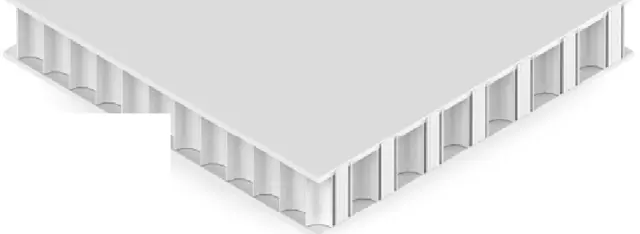
LiderPP®
A cellular polypropylene sandwich panel designed to combine strength with low weight and moisture resistance.
Materials / construction / manufacturing
Fleet Programs explains the delivery model. Technology explains the panels, floors and structures behind it.
Choose a body system around the load, temperature, chassis and operating environment — then control the specification across the fleet.
Explore Fleet Programs →LIDERKIT™ technology
What’s inside a panel affects how much the body weighs, how well it insulates and how it stands up to daily use. Here’s how three LIDERKIT™ panel types are built, what each is designed for and where the materials can go next.
View the six recycling diagramsA cellular polypropylene sandwich panel designed to combine strength with low weight and moisture resistance.
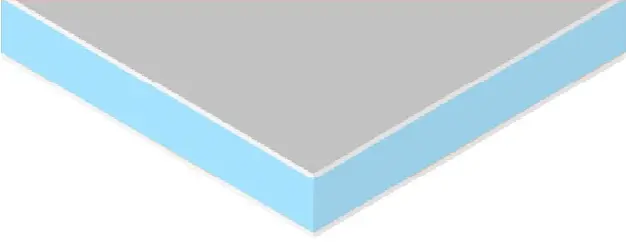
A lightweight foam core between fibreglass-reinforced polyester faces. Designed for builds where insulation and low body weight matter.
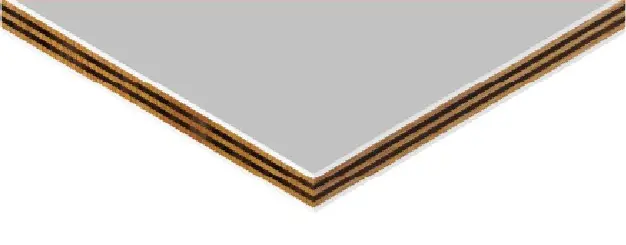
A plywood core between fibreglass-reinforced polyester faces. Designed for builds where stiffness and durability are priorities.
At end of service
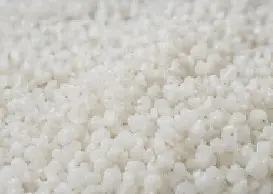
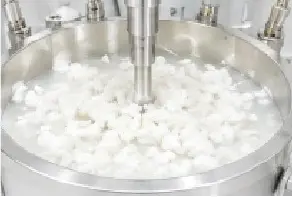
LIDERKIT™ describes shredding retired panels and separating metal components before handing the prepared material to specialist recyclers. Mechanical recycling can produce pellets for non-structural products such as pallets. A second process, called selective dissolution, can recover polypropylene and glass fibre separately for use in new composites.
During manufacture
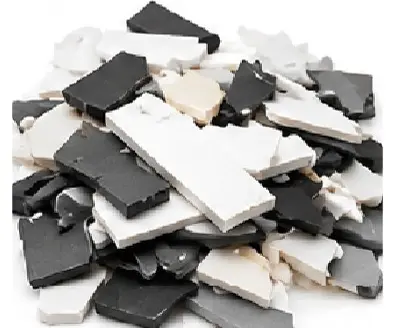
At its facility in Spain, LIDERKIT™ sorts and processes suitable offcuts and surplus material from LIDERfoam® and LIDERwood™ production. The recovered material is ground, mixed with adhesive and hot-pressed into panels for use in new vehicle bodies. LIDERKIT™ identifies its Andalusian authorisation to recover non-hazardous industrial waste as AAU/JA/009/2025.
For Australian fleets, end-of-life options depend on which local processors accept the material. If recovery matters to your fleet, raise it when specifying the body so you can check what’s available in your operating area. Read Liderkit’s manufacturing update
Explore more panels, floors and subframes → · Fleet Programs →
See what LIDERKIT™ handles in-house, where specialist recyclers take over and what the recovered material can become.
Additional panel systems
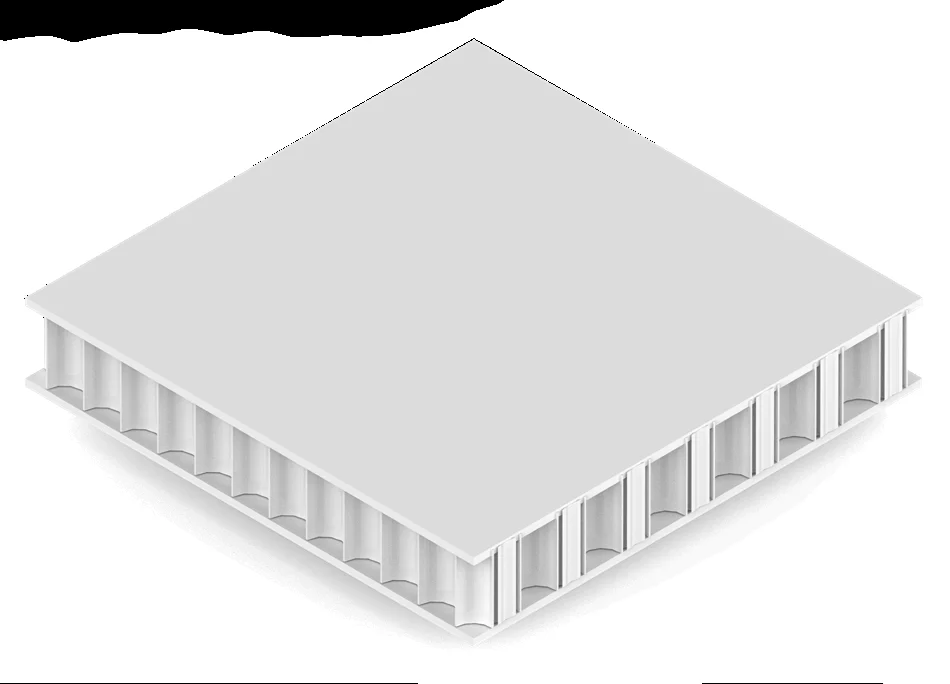
A panel with a recycled PET core and reinforced external faces. The 2026 catalogue describes material recovery into new panels.
Catalogue p. 21. Local end-of-life processing must be confirmed.

A lightweight panel developed for floor applications, with an antislip outer finish.
Catalogue p. 21. Floor capacity and finish are application-specific.
Lightweight insulation
The catalogue specifies panel thicknesses from 18 mm to 100 mm, combining reinforced polyester faces with an insulating foam core.
For dry freight, consider an 18 mm system against the structural requirement. For refrigerated bodies, determine insulation with the complete temperature-controlled application.
Catalogue p. 20. Thickness alone does not establish finished-body thermal performance.
The structure beneath the load
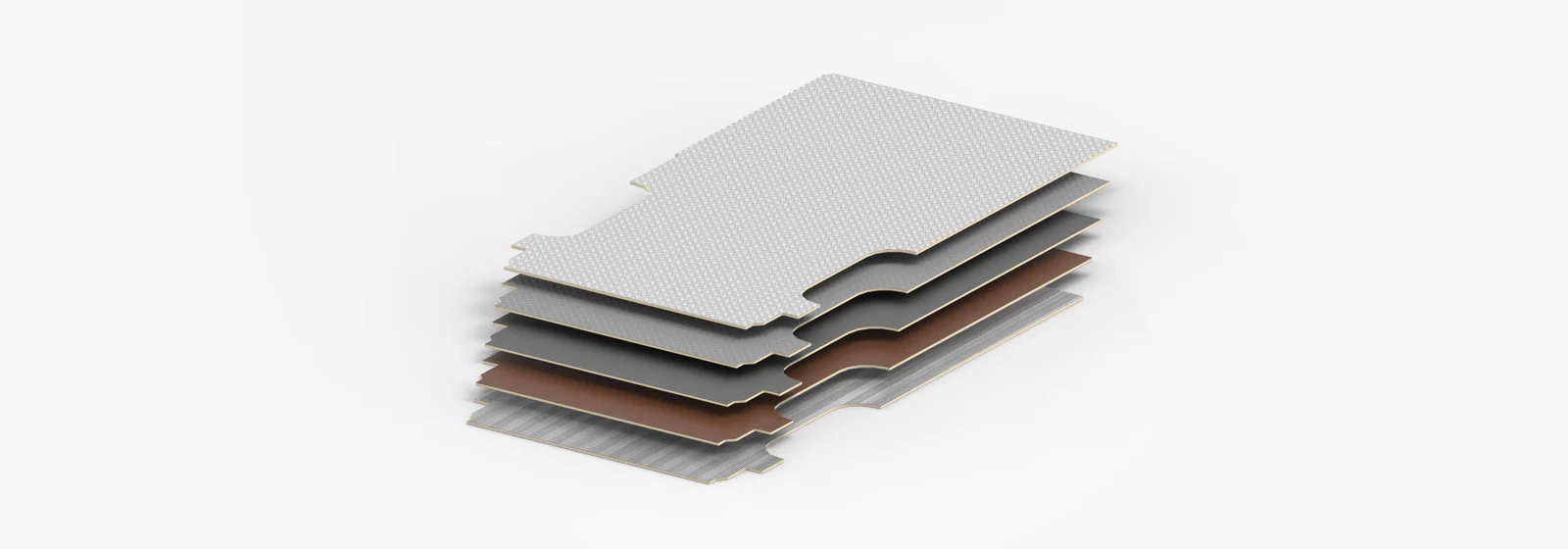
Phenolic, insulating and self-supporting floors are available in the manufacturer’s catalogue. Finishes include antislip surfaces, aluminium and manually applied polyester fibre.
Consider cleaning, loading equipment, underbody accessories and low-floor access alongside tare and durability.
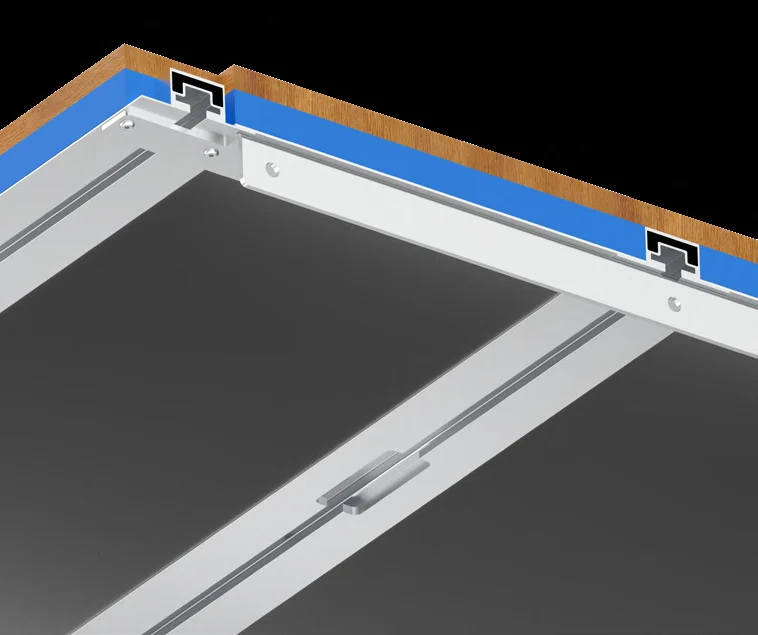
Ultralight, hybrid and heavy-duty steel subframes address different chassis and load requirements. The catalogue describes tailored, screw-mounted systems.
Platform and subframe selection must suit the chassis, body, axle loads and Australian assembly requirement.
Liderkit 2026 Commercial Catalogue, p. 23. Final construction and compatibility confirmed with the engineered specification.
Protection & manufacturing control
Specify lashing rails and restraint fittings around the freight and loading method. Ratings and product homologations are specific to the equipment and configuration.
See manufacturer standards →Kickplates, linings and protective finishes can be selected around wear, hygiene and cleanability, protecting the structure through repeated loading cycles.
Specialised production sections and automated processes support controlled components. Kit serial numbers link to manufacturing information and reports.
Follow specification to support →Technology choices are confirmed for the application. Ask about the required insulation system, including LiderPIR where documented for the selected configuration; no unverified technical specification is offered here.
Liderkit 2026 Commercial Catalogue, pp. 3, 22–23 & 26.